Marine Biology
- What is Marine Biology?
- The Study of Marine Biology(Why study marine biology?)
- Environmental Marine Biology(Coastal environment, pollutants, sediment, and runoff)
- Impacts on the ocean(Coral reef systems, water acidification and plastic pollution)
- Marine Mammal Trainers(Clearwater marine aquarium)
- Question and Answer for Marine Biology

What is Marine Biology?
Marine biology is the study of organisms, their behaviors and interactions with the environment.
Marine biology is a very wide-ranging area, so most researchers pick a certain area of their interest and specialize in it. This can be based on a particular species, group, behavior, technique, or ecosystem.

The Study of Marine Biology
Why Study Marine Biology?
Life in the sea has been a subject of fascination for thousands of years. One of the most important reasons for the study of sea life is simply to understand the world in which we live. The oceans cover 71% (and rising) of this world, and yet we have only scratched the surface when it comes to understanding them.
Health of the oceans/planet
- Climate change
- Pollution (toxicology, dumping, runoff, impact of recreation, blooms)
- Coral reefs
- Invasive species
What happens to wildlife when an oil spill happens.
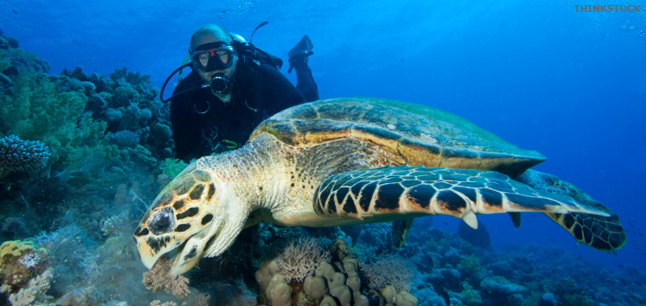
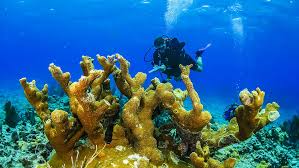
Environmental Marine Biology
Environmental marine biology is the study of ocean health. It is important for the scientists to determine the quality of the environment to make sure the water type is good enough to support the environment.
- Coastal environmental health is an important area of environmental marine biology so that scientists can determine the impact of coastal growth on water condition for the protection of people visiting beaches and to sustain a healthy environment.
- Pollutants, sediment, and runoff are all potential threats to marine health in coastal areas.
- There are also people who study offshore marine environmental health where they might be required to study the impact of an oil spill or other chemical hazard in the ocean.
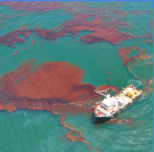
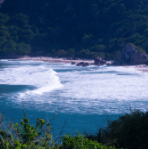
Coastal environment, pollutants, sediment, and runoff are all offshore marine environmental health.
How Marine Biologists and other rescuers help to save animals after oil spills.
Impacts on the Ocean
Impact on the ocean, including environmental stress on coral reef systems, water acidification and plastic pollution, have many effects that are bad for the animals and the environment surrounding them.

Coral Reef Systems
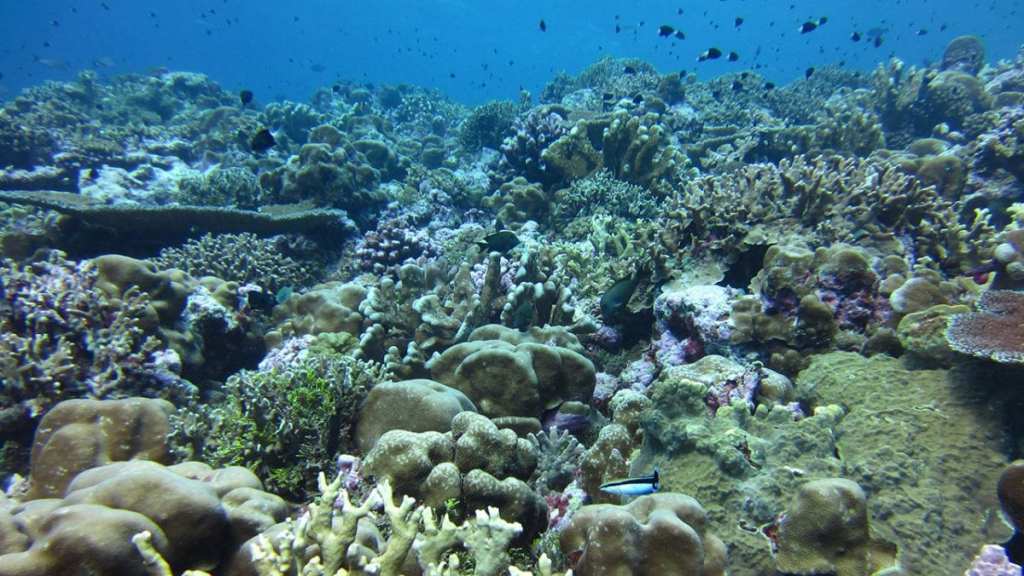
Coral reefs are underwater ecosystems, characterized by reef-building corals. They are formed of colonies of coral polyps held together by calcium carbonate are tiny, soft-bodies organisms linked to sea anemones and jellyfish. Coral reefs have threats by many things such as diseases, storms, predators, pollution, overfishing, climate change and more reasons the coral reef gets affected by us humans and the environment.
Water Acidification
The ocean absorbs about 30% of the CO2 that is released in the atmosphere, and as levels of atmospheric CO2 increase, so do the levels in the ocean. When CO2 is absorbed by seawater, a series of chemical reactions occur resulting in the increased concentration of hydrogen ions. This increase causes the seawater to become more acidic and causes carbonate ions to be relatively less abundant.
Plastic Pollution
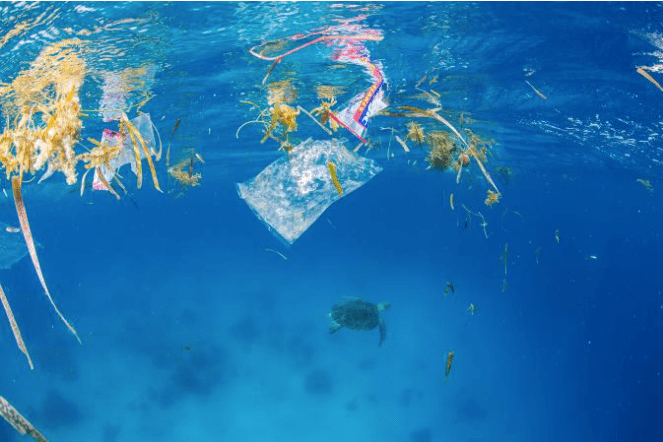
When the plastic people use gets thrown away into the ocean, the sunlight, wind, and wave break down the plastic waste into small particles called microplastics. Millions of animals are killed every year by the plastics. Most of the animals deaths are caused by entanglement or starvation, the stomchs get so packed with plastics, it reduces the urge to eat causing starvation. Many animals think plastic is food and eat it and get poisoned or die from it.
Marine Mammal Trainers
Marine mammal trainers work with aquatic animals with so many different unique personalities, they train them to perform in shows to show people all the talent they have.
Marine mammal trainers rescue, rehabilitate, and release animals that got hurt by things that affect much of the environment and the animals in it.
If the animals can’t get released because of their injuries, they will keep them and have them as perminent residents. Hope is one of the many perminent residents at Clearwater Marine Aquarium.
Marine mammal trainers have very distinctive jobs that aren’t like many other jobs you could get.
Question and Answer for Marine Biology
Frequently Asked Questions
Q: What animals are affected by oil spills?
A: Seals, sea lions, walruses, polar bears, sea otters, river otters, beavers, whales,dolphins, and porpoises, and manatees, are groups of mammals that may be affected by oil spills.
Q: How are the marine animals affected by oil spills?
A: Seals, sea lions, walruses, polar bears, sea otters, river otters, beavers, whales,dolphins and porpoises, and manatees, are groups of marine mammals that may be affected by oil spills. Their sensitivity seems to be highly variable and appear to be most directly connected to how important their fur and blubber (layer of fat under the skin) are for keeping them warm. Thus , marine mammals living in cold climates (seals, sea lions, polar bears and otters) are likely to be more vulnerable than those living in temperate or tropical waters.
Q: More specifically, how do oil spills affect sea turtles?
A: There are a number effects of oil on sea turtles, a couple of them are; If turtles surface in an oil slick to breathe, oil will affect their eyes and damage airways and/or lungs. Sea turtles could also be affected by oil through contamination of food supply or by absorption through the skin. The nesting sites of sea turtles are typically located on sandy beaches. Oil contamination of the beaches can lead to several problems:
- Digestion/absorption of oil through food contamination or direct physical contact, leading to damage to the digestive track and other organs.
- Irritation of mucous membranes (such as those in the nose, throat and eyes) leading to inflammation and infection
- Eggs may be contaminated, either because there is oil in the sand high up on the beach at the nesting site, or because the adult turtles are oiled as they make their way across the oiled beach to the nesting site, and oiling of eggs may inhibit their development;
- Newly hatched turtles, after emerging from the nest, make their way over the beach to the water and amy become oiled.
Q: It’s not “single use” if the plastics are recycled, right?
A:Recycled or recyclable throwaway plastics are still single-use. Single-use plastics are always going to be throwaway plastics, regardless of whether a company is able to recycle a percentage of them.
We know that over 90 percent of the plastic waste produced has not been recycled and eventually a proportion of that packaging will end up polluting our environment. Companies can try to spin their recycling efforts as making the difference for our oceans and waterways, but they’re actually just dodging true accountability for the crisis they helped to create. Without much tighter standards and controls on the quality, sorting, and destination of plastics there is a very high risk of downcycling (downcycling means the material is of lower quality and/or functionality than the original material and further recycling is not easily possible). Recycling of plastics usually does not mean turning something into that same thing, or even something similar. It means downcycling.
Q: Can’t we just remove the plastic bottles that wash up on shore or float in the ocean?
A: It’s not as simple as just removing the plastics as we can see.
It’s estimated that 94% of the plastic that enters the ocean ends up on the seafloor. Barely 1% of marine plastics are found floating at or near the ocean surface and 5% end up on beaches.
A single plastic bottle can fragment to pollute our oceans with thousands of pieces of microplastic , which are ingested by marine life and enter our food supply. Simply removing plastics from beaches and the ocean will never tackle the scale of the problem we are facing. The only way to deal with this pollution crisis is to stop single-use plastic production at the source.
Q: Does plastic ever biodegrade?
A: It depends on the plastic, but most petroleum plastic does not biodegrade — it just fragments. Many bioplastics only biodegrade under very controlled conditions, and very poorly or not at all in the sea. Plastics fragment into tiny pieces of microplastic, which is often ingested by marine life before entering our food supply chain. We will never be able to recycle or even compost our way out of this mess, it’s time to stop producing throwaway plastics.
 Marine Biology